

Accounting

Accounting

Course Summary

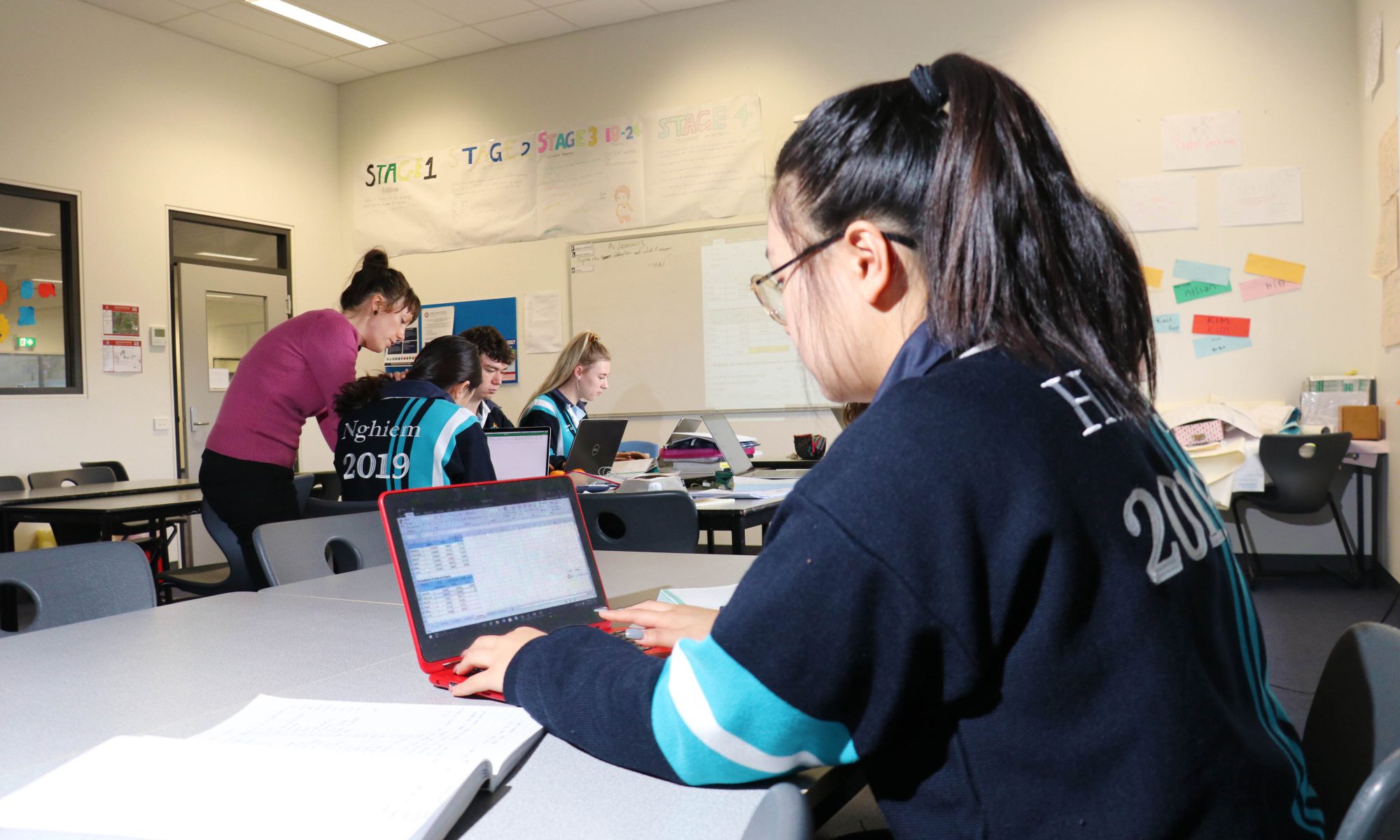
VCE Accounting explores the financial recording, reporting, analysis and decision-making processes of a sole proprietor small business. You will study both theoretical and practical aspects of accounting. You will learn how to collect, record, report and analyse financial data, and report, classify, verify and interpret accounting information, using both manual methods and information and communications technology (ICT).

You will apply critical thinking skills to a range of business situations to model alternative outcomes and to provide accounting advice to business owners. In business decision-making, financial as well as ethical considerations (incorporating social and environmental aspects) will be taken into account.

VCE: Unit 1, Unit 2 and Unit 3 & 4 sequence available

Learning Activities & Assessment

  • Prepare accounting reports both manually and using ICT
  • Participate in simulated business activities such as recording and reporting of cash and credit transactions, non-current assets, balance day adjustments and inventory movement
  • Participate in discussions around ethical considerations in business, particularly in the area of accounting
  • Construct graphic representations of financial data to assist with the analysis of accounting reports and the evaluation of business performance

Classroom Virtual Tour

Click for a virtual tour

Quick Links

Approximate Costs

Unit 1 & 2

Unit 3 & 4

Learning Area Contact

Humanities Learning Area Leader
Madeleine Rowley

Business Management

Business Management

Course Summary

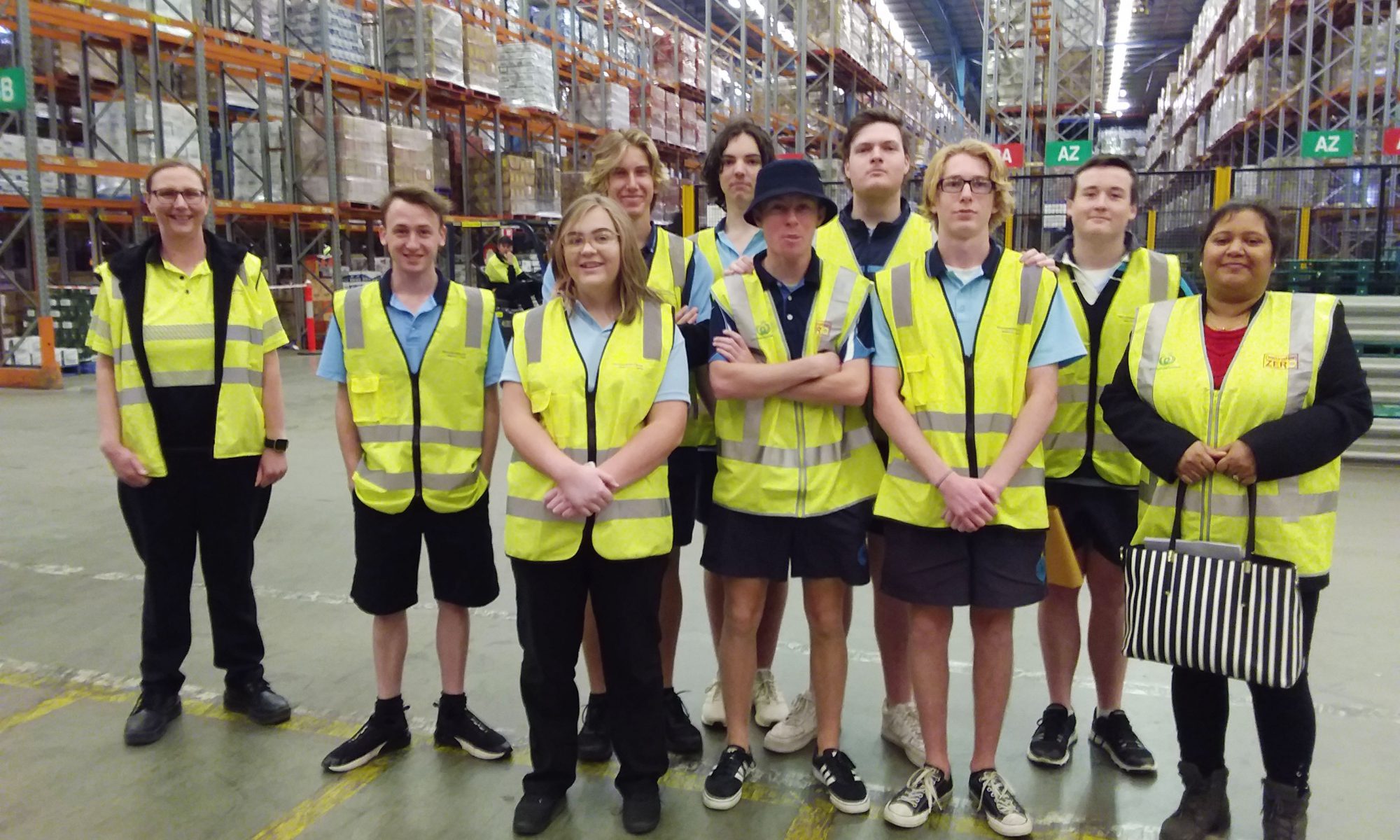
Are you an aspiring entrepreneur/business owner/leader? Studying business management is a good opportunity for you to learn the knowledge and skills to help you pursue this aspiration. Students will follow an idea for a business concept, to planning and establishing a business, through to the day-to-day management of a business. Using contemporary business case studies students will compare a range of management theories with management in practice. Students will have the opportunity to propose and evaluate alternative strategies for establishing and maintaining a business.

VCE: Unit 1, Unit 2 and Unit 3 & 4 sequence available

Learning Activities & Assessment

  • Investigate the planning stage of setting up a business
  • Learn how to establish a business
  • Examine how large businesses operate
  • Learn what makes a good manager and management styles
  • Explore change management strategies and how to ensure transformation and continued success of a business

Classroom Virtual Tour

Click for a virtual tour

Quick Links

Approximate Costs

Unit 1 & 2

Unit 3 & 4

Learning Area Contact

Humanities Learning Area Leader
Madeleine Rowley

Humanities (Year 10)

Humanities (Year 10)

Course Summary

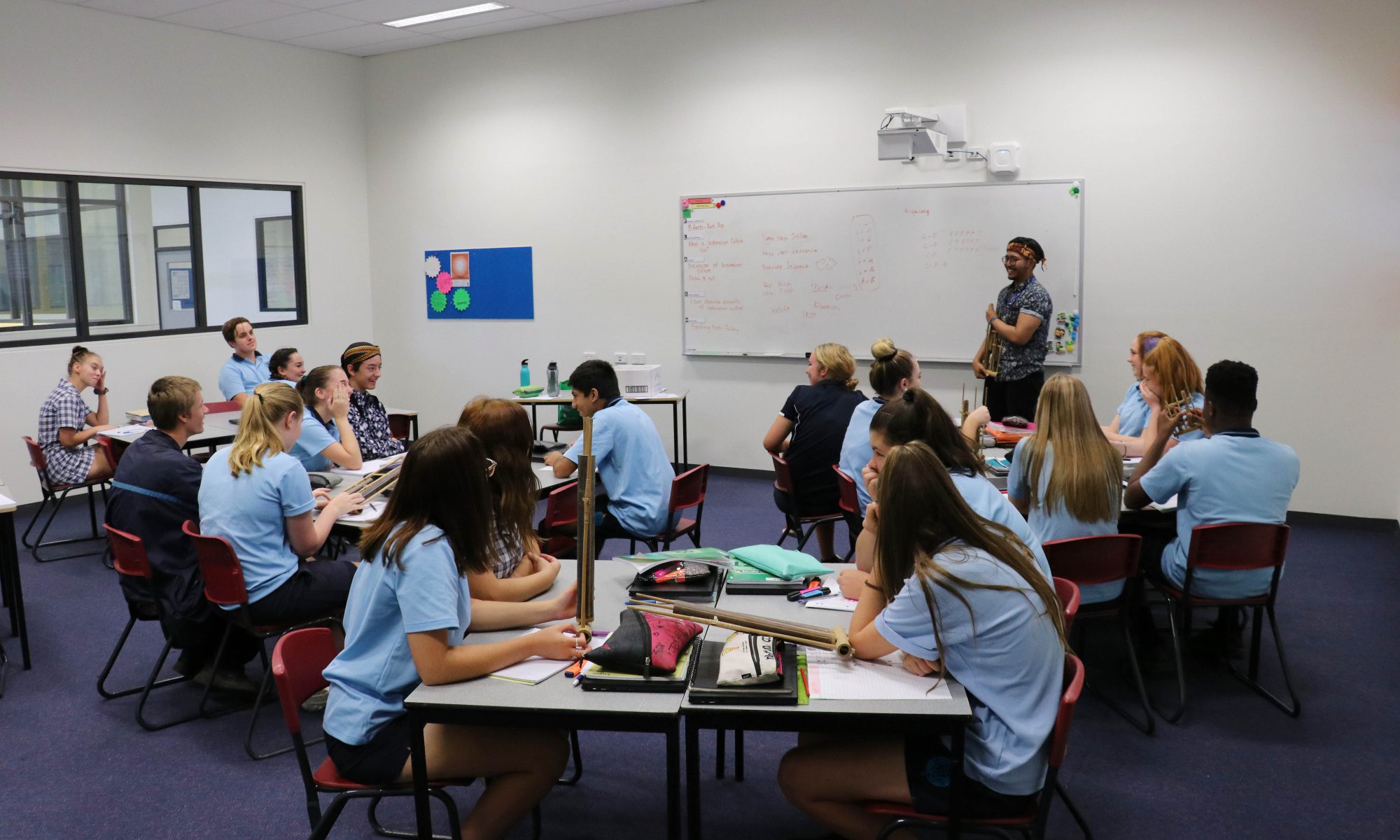
Humanities is about learning how history has shaped our diverse world and how students can contribute to their local, national and global community. It also teaches students about human and environmental issues and how they correlate with one another, and how they can be financially smart, and if they want to, one day operate their very own business. Studying Humanities enables students to develop knowledge in these areas and more. Students will also develop critical thinking and communication skills, the ability to investigate, interpret, analyse data and information, and evaluate past and current issues.  

Learning Area  

  • Civics and citizenship  
  • Geography  
  • History  
  • Economics and business  

Learning Activities & Assessment

  • Work collaboratively to investigate and research about real world events that apply to Humanities  
  • Ability to analysis sources and interpret past events that have shaped our diverse world  
  • Create discussions and debates on contemporary issues in society  
  • Participate in inquiry-based activities   

Classroom Virtual Tour

Click for a virtual tour

Quick Links

Approximate Costs

Learning Area Contact

Humanities Learning Area Leader

Madeleine Rowley