Chinese (Year 10)

Chinese (Year 10)

Course Summary

Are you interested in understanding one of the world’s oldest civilisations and connecting with Australia’s growing Chinese-speaking communities? 

This course is a condensed version of the Year 7–10 Chinese Second Language course in the Victorian Curriculum, allowing students to develop practical language skills while gaining insights into Chinese culture and contemporary society. It helps prepare students for future VCE Chinese Language, Culture and Society Program.

The course provides a bridge between introductory Chinese language learning and the language, cultural and analytical skills required for senior secondary study. 

Students will: 

  • develop their ability to communicate in Chinese in a range of everyday and authentic contexts 
  • investigate contemporary Chinese-speaking communities in Australia and around the world 
  • examine aspects of Chinese society, traditions and cultural practices 
  • build foundations for VCE Chinese Language, Culture and Society 
  • gain valuable skills for further study, careers and active participation in an increasingly interconnected and multicultural society 

Learning Activities & Assessment

  1. Write a personal reflection or recount about a significant Chinese cultural celebration or experience  
  1. Prepare and present a dialogue discussing school life, hobbies, or future aspirations  
  1. Investigate aspects of contemporary Chinese society and compare them with Australian society 
  1. Explore Chinese festivals, traditions, and cultural values and explain their significance  
  1. Research and present on a contemporary issue relevant to Chinese-speaking communities 

Classroom Virtual Tour

Click for a virtual tour

Quick Links

Approximate Costs

N/A

Learning Area Contact

Language Learning Area Leader
Heni Williams

Humanities (Year 10)

Humanities (Year 10)

Course Summary

Humanities is about learning how history has shaped our diverse world and how students can contribute to their local, national and global community. It also teaches students about human and environmental issues and how they correlate with one another, and how they can be financially smart, and if they want to, one day operate their very own business. Studying Humanities enables students to develop knowledge in these areas and more. Students will also develop critical thinking and communication skills, the ability to investigate, interpret, analyse data and information, and evaluate past and current issues.  

Learning Area  

  • Civics and citizenship  
  • Geography  
  • History  
  • Economics and business  

Learning Activities & Assessment

  • Work collaboratively to investigate and research about real world events that apply to Humanities  
  • Ability to analysis sources and interpret past events that have shaped our diverse world  
  • Create discussions and debates on contemporary issues in society  
  • Participate in inquiry-based activities   

Classroom Virtual Tour

Click for a virtual tour

Quick Links

Approximate Costs

Learning Area Contact

Humanities Learning Area Leader

Madeleine Rowley

English (Year 10)

English (Year 10)

Course Summary

Year 10 English helps students understand different experiences and perspectives, while also improving their reading, writing, speaking, listening and viewing skills. Students study a range of texts, including a film, a novel, short stories, and recent persuasive texts from the media. They learn how writers and speakers use structural and language features to shape meaning, influence audiences, and express complex ideas.  

Year 10 English prepares students for both Vocational Major Literacy, and VCE English subjects. 

Learning Activities & Assessment

  • Read and view a range of print, digital and multimodal texts 
  • Analyse how authors, filmmakers and speakers use different text structures and literary devices to convey complex ideas 
  • Plan, draft and present a range of analytical, persuasive and creative texts 
  • Improve reading, writing, and speaking skills. 

Classroom Virtual Tour

Click for a virtual tour

Quick Links

Approximate Costs

Learning Area Contact

English Learning Area Leader

Sarah Clark

Physical Education (Year 10)

Physical Education (Year 10)

Course Summary

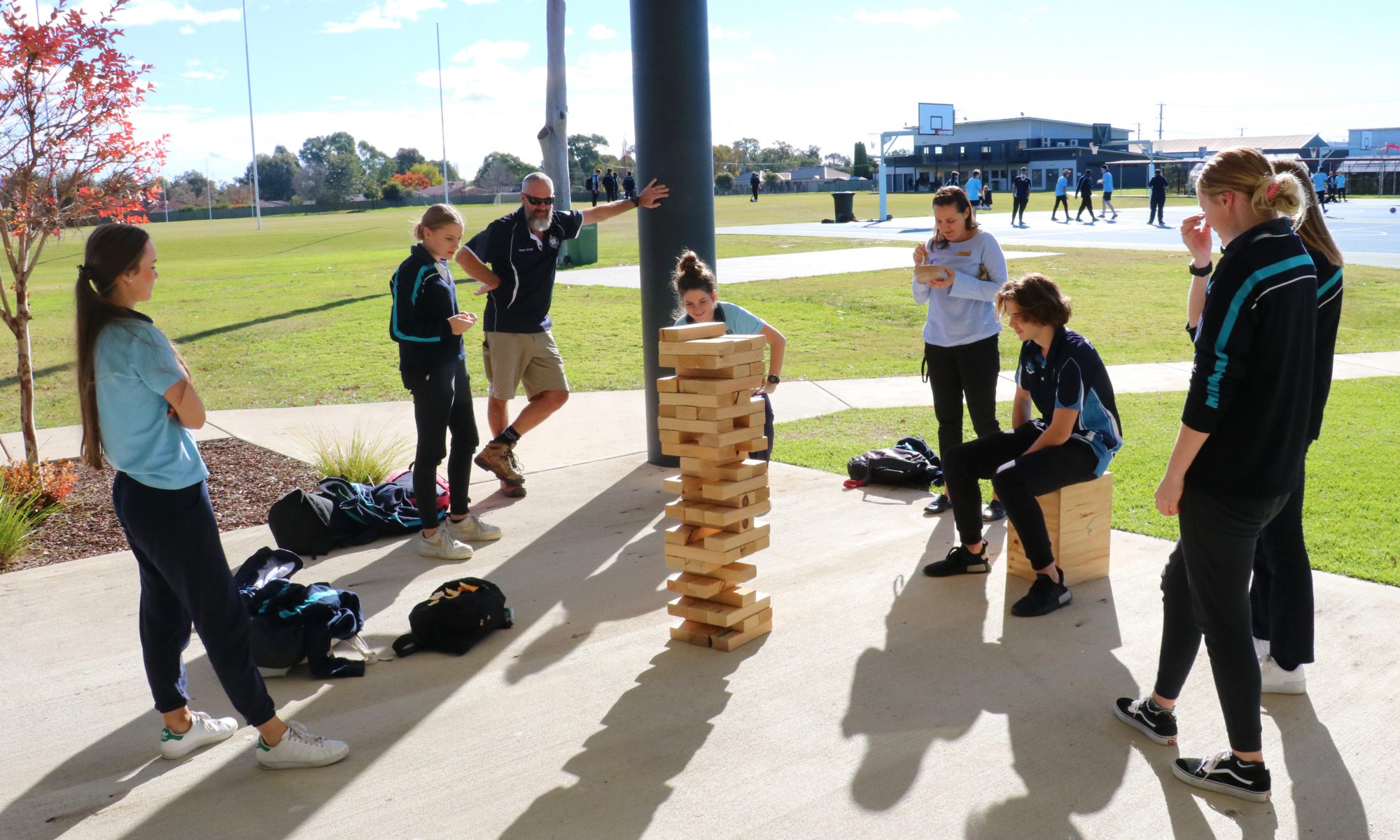
Year 10 Physical Education blends practical sport experiences with the fundamentals of the sport and recreation industry. Students learn about fitness, human performance & analysis, create & refine movement strategies, coaching, officiating, teamwork, event management and wellbeing while developing the skills to lead and participate in a range of sporting activities. This course is perfect for students who enjoy physical activity, sports science and want to explore future opportunities in sport, fitness and recreation.  

Students participate in both theoretical and practical classes each week which contribute to their final outcomes. This subject is a pathway for students to identify what supports their own interests whether it be Physical Education &/or VET Sport and Recreation (Units 1-4).

Learning Activities & Assessment

Students will explore concepts that focus on key skills such as: 

  • Movement & Performance: understanding & assessing fitness, skill development and strategies to improve performance 
  • Sport Leadership: building confidence in coaching, officiating and leading activities. 
  • Teamwork & Communication: developing collaboration, problem-solving and interpersonal skills. 
  • Explore through theory and practical lessons, the structure and function of the body systems and how they work together to produce movement. 

Classroom Virtual Tour

Click for a virtual tour

Quick Links

Approximate Costs

Learning Area Contact

Health & Physical Education Learning Area Leader

Beth Powell

Outdoor Education (Year 10)

Outdoor Education (Year 10)

Course Summary

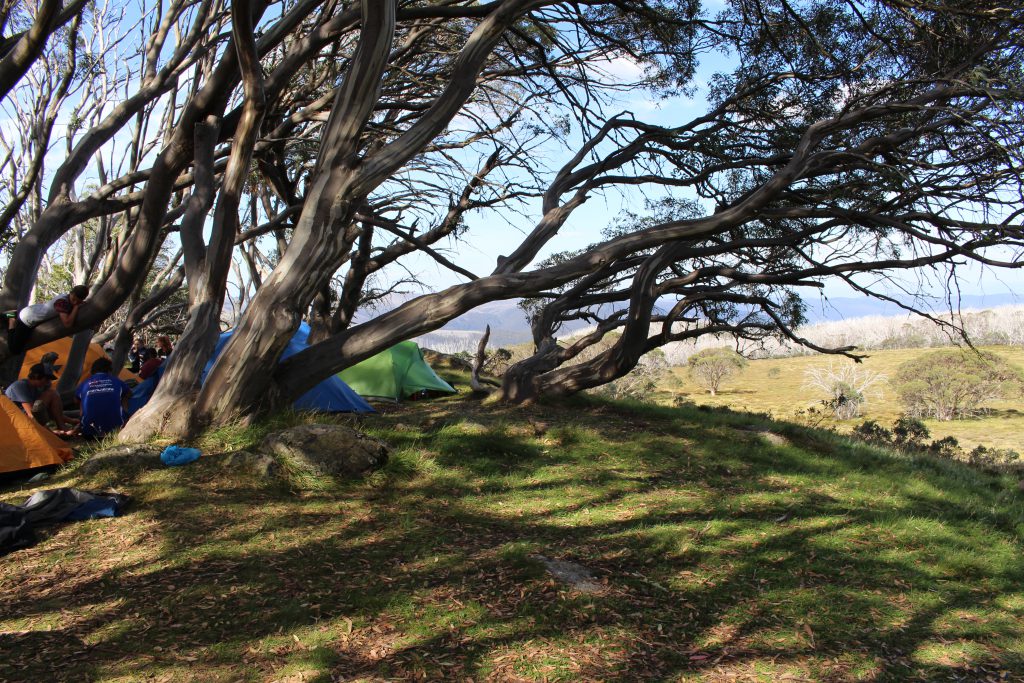
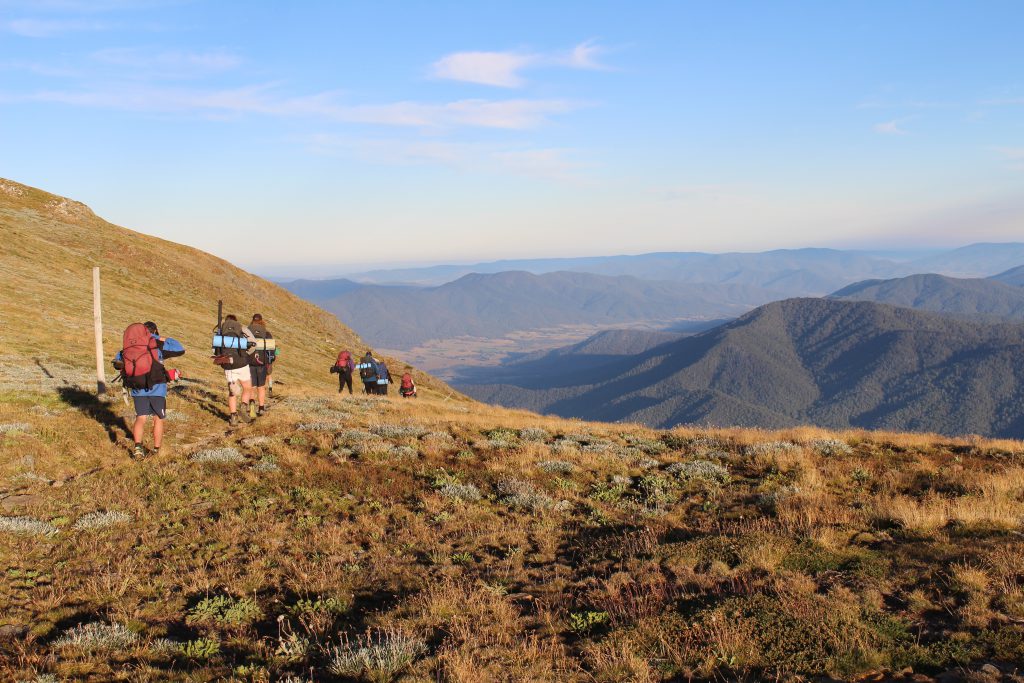
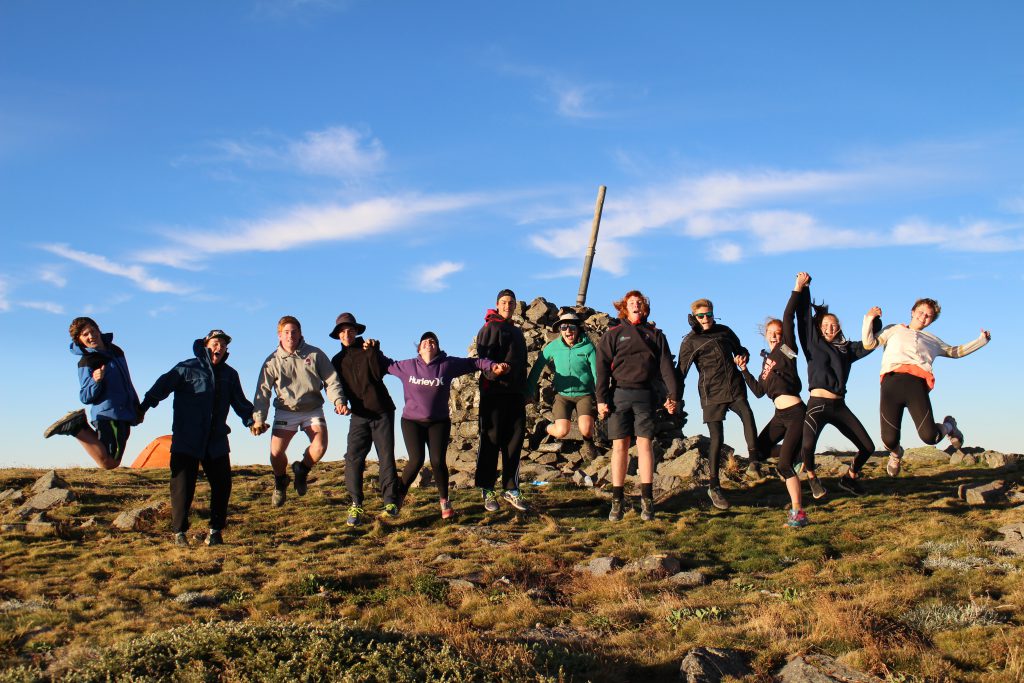
Discover the thrill and value of the natural world with Year 10 Outdoor Education. This course immerses students in a variety of outdoor and aquatic environments, teaching essential skills for safe, responsible, and enjoyable participation in the outdoors. 

Students will explore the structure and health of outdoor environments, learn sustainable practices, and develop outdoor leadership skills. The course emphasises teamwork, collaboration, and social skills, while promoting physical and emotional wellbeing. Practical experiences and trips allow students to build confidence and competence in a range of different activities and environments. 

Through a balance of theory and hands-on experiences, students gain knowledge in safety, risk management, and environmental stewardship, preparing them to be responsible, skilled, and informed participants in outdoor life now and into the future. 

This subject is a pathway for Outdoor Environmental Studies (Units 1-4). 

Learning Activities & Assessment

  • Practical outdoor experiences: Participate in camping, land and water-based activities. Applying outdoor skills, leadership, and teamwork in real environments. Assessment may include skill demonstrations, group tasks, and reflection journals. One trip a Term (2-3 days). 
  • Environmental and sustainability projects: Investigate local environments, minimal impact strategies and propose sustainable practices through reports and presentations.  
  • Health, safety, and risk management: Plan and manage risks in outdoor settings, including first aid and emergency response tasks.  
  • Pre-trip activity booklets: Complete activity booklets to prepare for practical trips and apply theoretical knowledge. 

Classroom Virtual Tour

Click for a virtual tour

Quick Links

Approximate Costs

Learning Area Contact

Health & Physical Education Learning Area Leader

Beth Powell

Health Education (Year 10)

Health Education (Year 10)

Course Summary

Year 10 Health Education is all about helping you navigate the real world, make smart health choices, and take control of your own health & wellbeing. In this course, you will dive into the issues that matter most to young people today. This includes building safe, respectful relationships and understanding consent, building mental fitness and managing stress, and appropriate youth nutrition. You will learn how to question online trends, spot fake health advice, and get hands-on safety skills for dealing with risky real-world situations.  

Health Education is about giving you the practical life skills and confidence to handle the pressures of senior high school and make informed decisions for yourself and your friends. This subject is a pathway for students to identify what supports their own interests whether it be Human Development &/or VET Health Assistance (Units 1-4). 

Learning Activities & Assessment

  • Practical Case Studies: Exploring real-life situations and modern health dilemmas to practice making informed, safe decisions. 
  • Media and Research Tasks: Investigating popular health trends, online advice, and community issues to separate fact from fiction. 
  • Group Projects and Campaigns: Working together to design creative solutions, presentations, or awareness activities that promote wellbeing. 
  • Nutritional Analysis and Critique: Investigating dietary patterns, food labelling, and popular marketing trends to evaluate how everyday food choices impact long-term health and wellbeing. 

Classroom Virtual Tour

Click for a virtual tour

Quick Links

Approximate Costs

Learning Area Contact

Health & Physical Education Learning Area Leader

Beth Powell

Theatre (Year 10)

Theatre (Year 10)

Course Summary

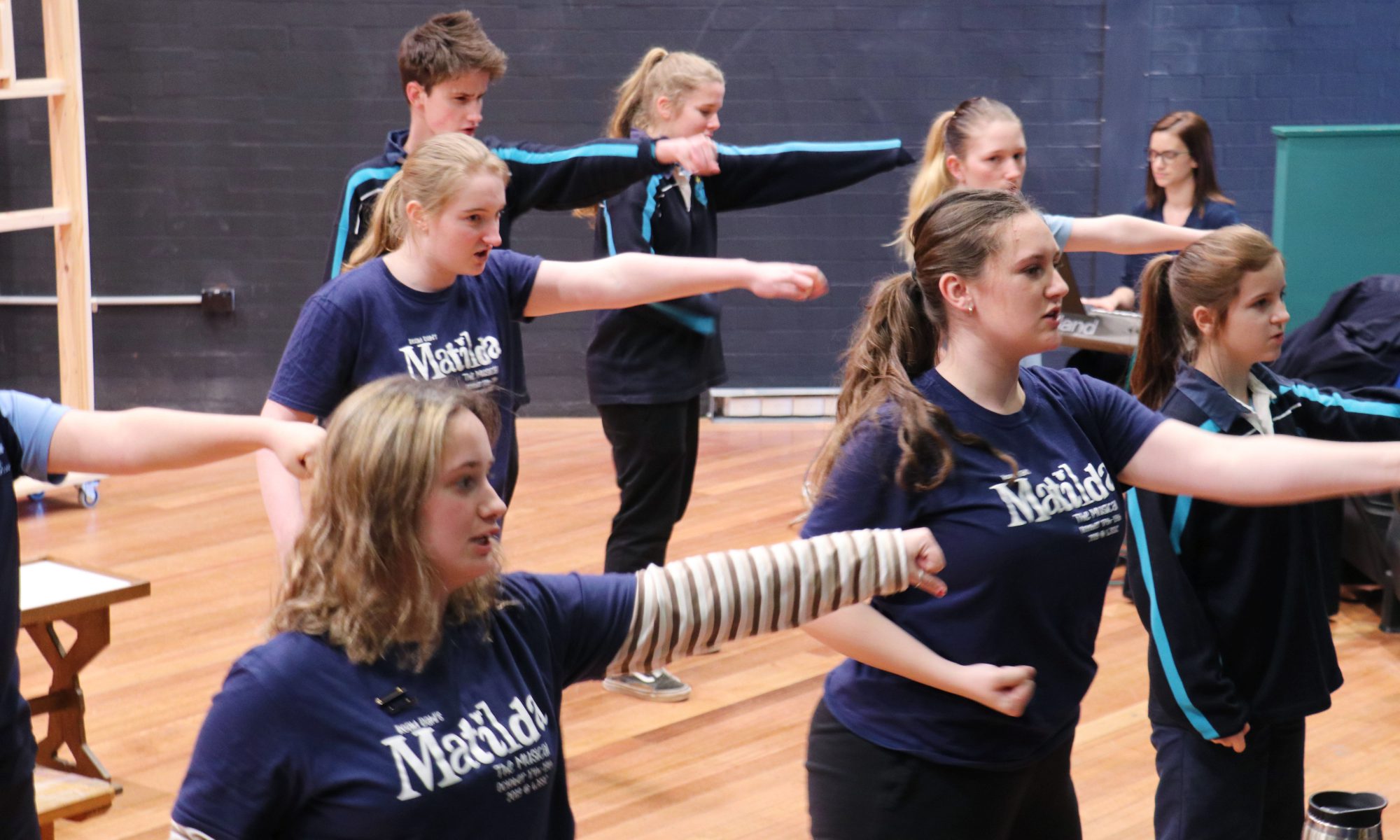
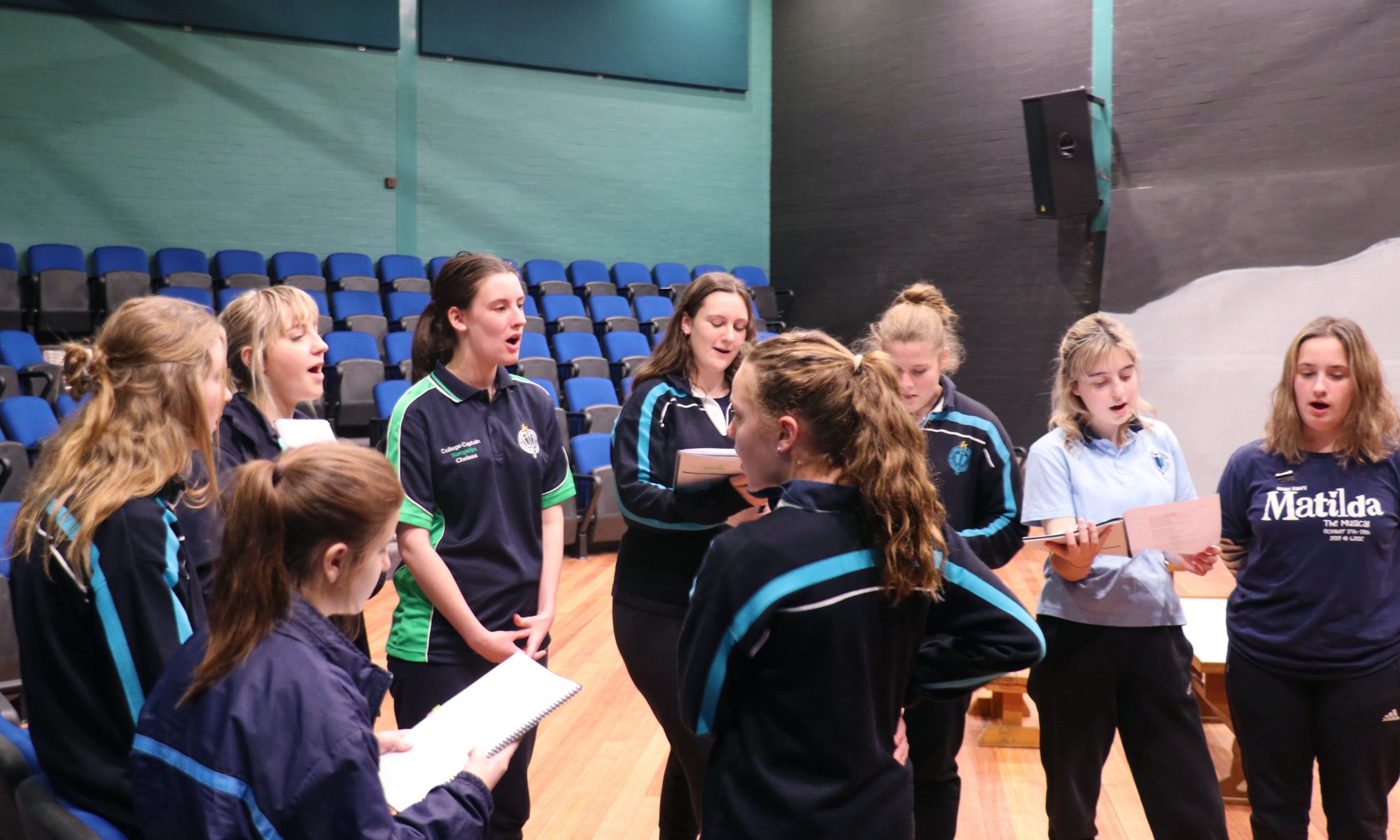
Do you love to create, perform and go to the theatre? Theatre is a subject that mixes art, history, sport and literature. We look at what other actors do, learn from their styles and make our own performances.  

Throughout this course you will plan, develop and present performances. Develop skills in acting and production, use lighting, sound, props, costume and make-up to create amazing performances. You could also build confidence in using expressive skills, including voice, movement, gesture and facial expression, as well as performance skills such as focus, timing, energy and how to get people to pay attention to you.  

Theatre encourages creativity, collaboration and critical thinking. You will learn how to shape stories, communicate ideas and create meaning for an audience. You get to explore performance styles from different cultures, places and times, and consider how these traditions can inspire contemporary performance. 

You even get to go to a live theatre show to pick up a few ideas.

Learning Activities & Assessment

  • Work collaboratively to plan, develop and present theatrical works.  
  • Explore all aspects of production including lights, sound, props, make up and hair and acting.  
  • Experience performance styles including Melodrama, Musical and Elizabethan Theatre.  
  • Explore how can performers communicate ideas in a way that creates emotion and impact for an audience. 
  • Attend professional performance to analyse and enrich our own performances.  

Theatre is ideal for students who enjoy performing, creating stories, working with others and exploring ideas in practical and imaginative ways. 

Classroom Virtual Tour

Click for a virtual tour

Quick Links

Approximate Costs

Learning Area Contact

Arts Learning Area Leader

Lynette Campbell

Music (Year 10)

Music (Year 10)

Course Summary

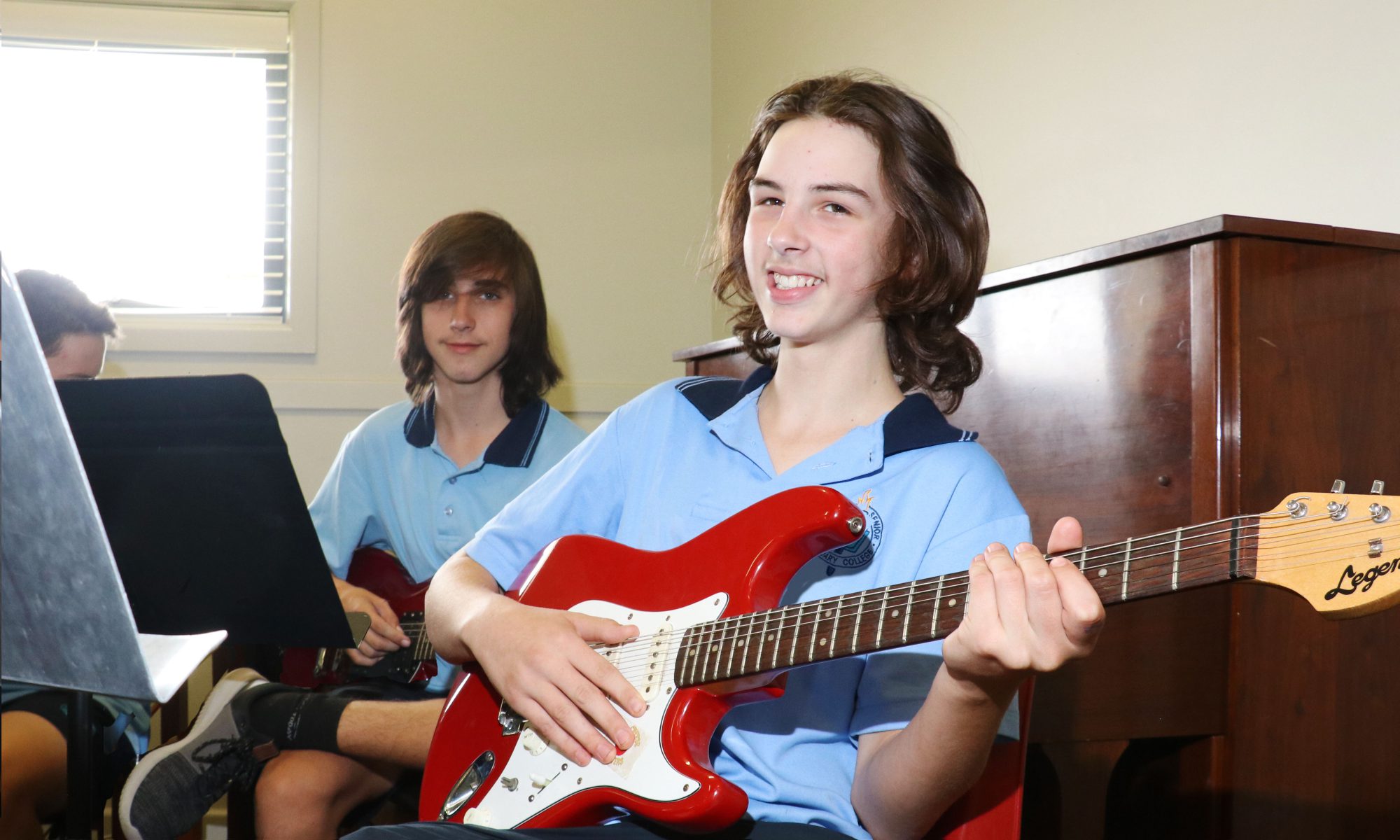
Are you interested in how music is made, performed, and shared? Do you want to develop your own sound as a solo or group musician? Studying Year 10 Music helps you build practical performance, songwriting, and listening skills. You will learn how to practise effectively, explore different styles of music, and create your own original tracks. This subject prepares you directly for senior music pathways by focusing on three main areas: performing, analysing, and creating. It is recommended that students learn a musical instrument through the WSSC Instrumental Music Program or from private tutors.

Learning Activities & Assessment

  • Performing: Rehearse on your chosen instrument or voice, build your confidence, and perform live for an audience. You will also maintain a practice journal to track your rehearsal progress, reflect on your improvement, and meet your performance goals. 
  • Analysing: Listen to a wide variety of musical styles to learn how songs are structured and put together, developing your overall listening skills and musicianship. 
  • Creating: Use music software and instruments to compose, arrange, shape, and record your own original musical pieces. 

Classroom Virtual Tour

Click for a virtual tour

Quick Links

Approximate Costs

N/A

Learning Area Contact

Arts Learning Area Leader

Lynette Campbell

Drama (Year 10)

Drama (Year 10)

Course Summary

Drama gives you the opportunity to create, perform and respond to theatrical works. You will explore creating self-devised theatre using different forms and styles.  

Throughout this course you will create, refine and present performances. Develop skills in acting using costume, make up and props to make your work pop. You are likely to build confidence in using expressive skills, including voice, movement, gesture and facial expression, as well as performance skills such as focus, timing, energy and audience engagement. 

Drama encourages creativity, collaboration and critical thinking. Learn how to shape stories, communicate ideas and create meaning for an audience. Explore performance styles from different cultures, places and times, and see what you can borrow to make your own performances.  

You even get to go to a live theatre show to pick up a few ideas. 

Learning Activities & Assessment

  • Work collaboratively to plan, develop and present theatrical works.  
  • Experience performance styles including Physical Theatre, Commedia and Australian Contemporary Theatre.  
  • Explore how can performers communicate ideas in a way that creates emotion and impact for an audience. 
  • Attend professional performance to analyse and enrich our own performances.  
  • Theatre is ideal for students who enjoy performing, creating stories, working with others and exploring ideas in practical and imaginative ways. 

Classroom Virtual Tour

Click for a virtual tour

Quick Links

Approximate Costs

Learning Area Contact

Arts Learning Area Leader

Lynette Campbell

Visual Communication & Design (Year 10)

Visual Communication & Design (Year 10)

Course Summary

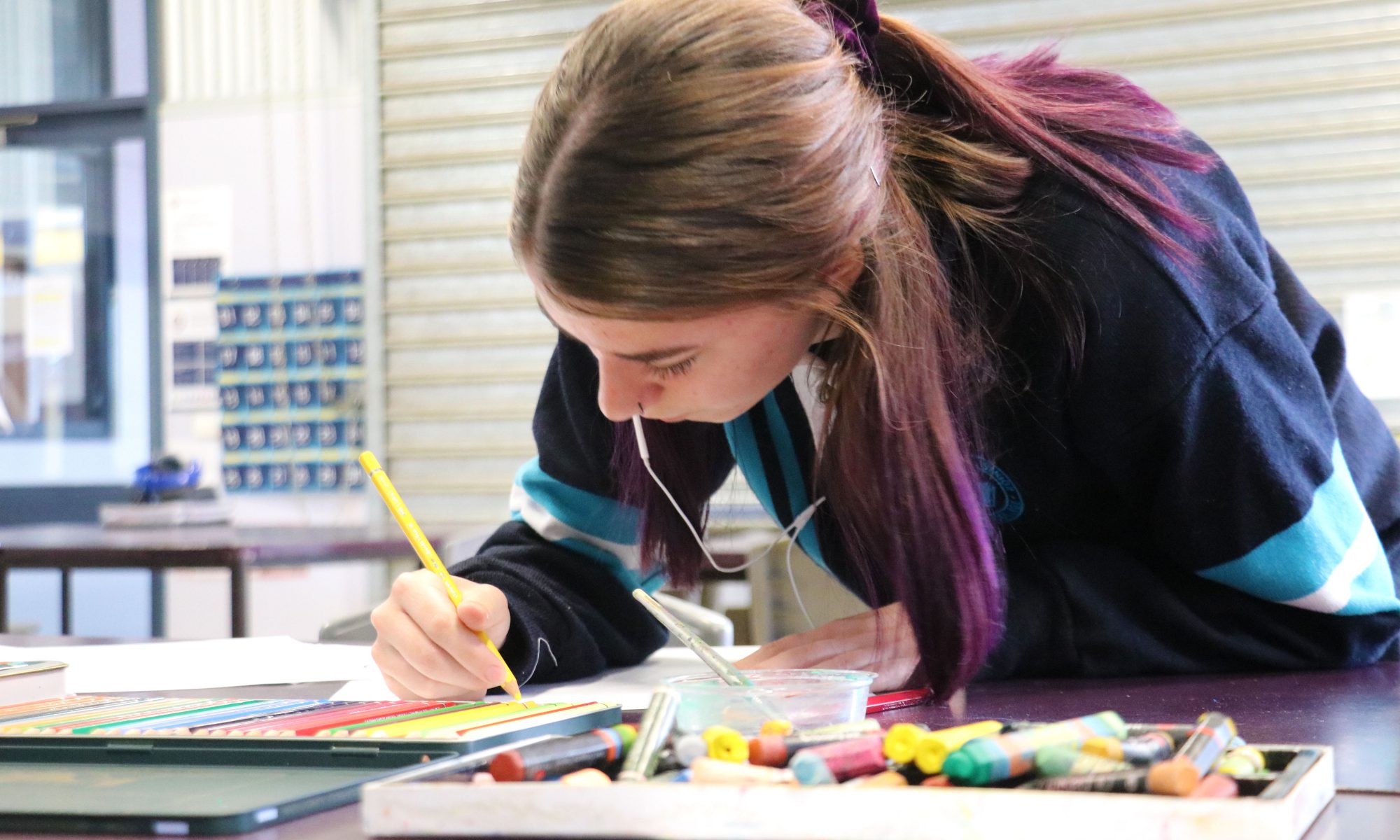
Design is everywhere. From what you wear, the things you use, and the information you read. Students in Visual Communication and Design investigate the needs of different target audiences and create images using the ‘Design Process’. We look at the four ‘Fields of Design’ and use a range of drawing materials and digital computer programs to investigate sections of the Design Process. Students will reflect and critique their own work and investigate past and present designers from different times and cultures. What’s the difference between Visual Arts and Visual Communication and Design you ask? In Viscom the focus is that you design for a purpose or to meet the needs of a brief, compared to Art which is about exploring creative materials and developing original artwork based on your personal thoughts and feelings. What does Visual Communication and Design lead to: Architecture Fashion design, Posters and Advertising, Logo development, App and Website design.  

Learning Activities & Assessment

  • A folio of manual and digital designs. 
  • Investigate and report on designs from across times and cultures. 
  • Follow the Design Process and present a critique to gain feedback.   
  • Write a Design Brief. 

Classroom Virtual Tour

Click for a virtual tour

Quick Links

Approximate Costs

N/A

Learning Area Contact

Arts Learning Area Leader

Lynette Campbell