Humanities (Year 10)

Humanities (Year 10)

Course Summary

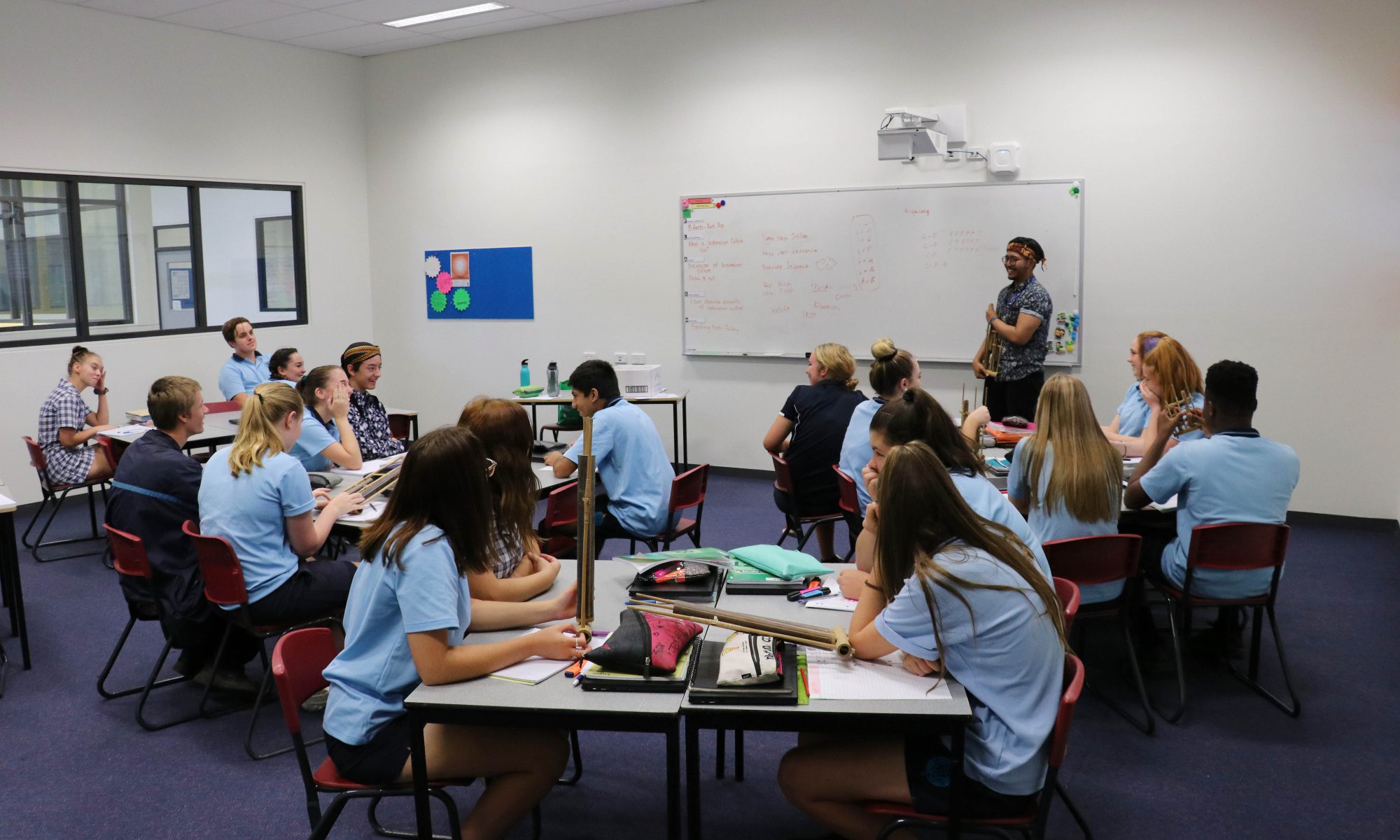
Humanities is about learning how history has shaped our diverse world and how students can contribute to their local, national and global community. It also teaches students about human and environmental issues and how they correlate with one another, and how they can be financially smart, and if they want to, one day operate their very own business. Studying Humanities enables students to develop knowledge in these areas and more. Students will also develop critical thinking and communication skills, the ability to investigate, interpret, analyse data and information, and evaluate past and current issues.  

Learning Area  

  • Civics and citizenship  
  • Geography  
  • History  
  • Economics and business  

Learning Activities & Assessment

  • Work collaboratively to investigate and research about real world events that apply to Humanities  
  • Ability to analysis sources and interpret past events that have shaped our diverse world  
  • Create discussions and debates on contemporary issues in society  
  • Participate in inquiry-based activities   

Classroom Virtual Tour

Click for a virtual tour

Quick Links

Approximate Costs

Learning Area Contact

Humanities Learning Area Leader
Madeleine Rowley

Science (Year 10)

Science (Year 10)

Course Summary

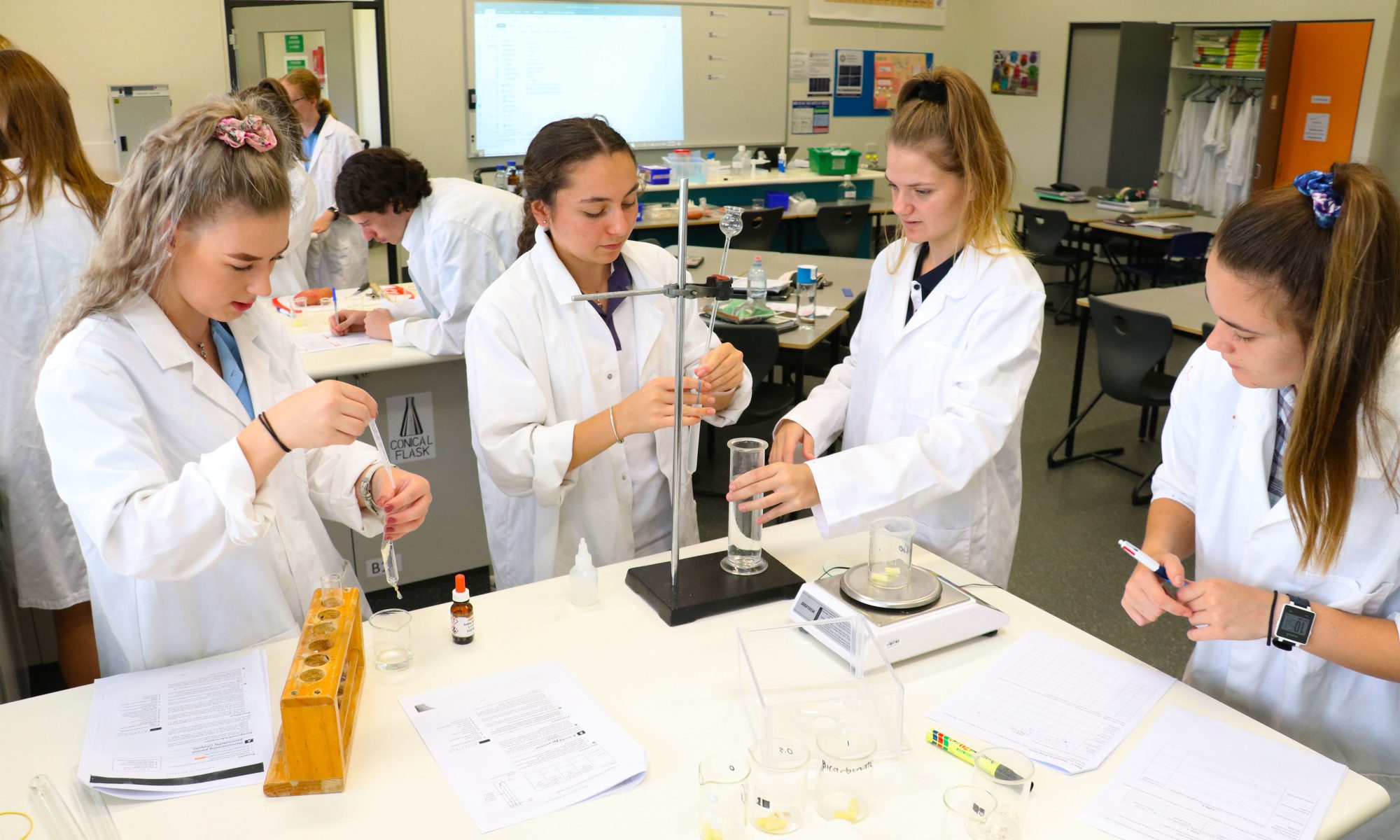
The Year 10  Science program is designed to develop students’ understanding of the natural and physical world while strengthening the knowledge and skills required for future science pathways. This course provides students with opportunities to explore key scientific concepts across biology, chemistry, physics, earth and space science through theory, practical investigations, research and real-world applications.  
   
Studying Science enables students to develop the knowledge and skills needed for VCE pathways, future careers, innovation and informed decision-making. Through theory, research, practical investigations and real-world applications, students explore biology, chemistry, physics, earth and space science while strengthening their ability to form hypotheses, conduct valid experiments, analyse data, evaluate claims and communicate evidence-based conclusions. Students also examine how scientific knowledge develops through evidence, peer review and critique, and consider how science, engineering and technology influence society.  

Learning Activities & Assessment

  • Biology – Students learn about Infectious and Non-infectious Disease including disease transmission pathways, immune system responses, prevention and control strategies, lifestyle risk factors, and the role of public health initiatives.  
  • Earth and Space Science – Students explore the Universe’s structure, features and origins, the models for understanding our Universe, and the advances in technology leading to space exploration  
  • Chemistry – Students connect their understanding of chemical reactions and reaction rates to real-world applications across environmental, industrial and everyday contexts. By analysing data and applying concepts such as the Law of Conservation of Mass and collision theory, students recognise how the same principles guide large-scale industrial processes – such as controlling reaction rates in chemical manufacturing, refining metals, or producing pharmaceuticals – to improve efficiency and reduce waste. Students learn that chemical reactions are not abstract events, but the foundation of how materials are produced, energy is managed, and environmental impacts are minimised in the modern world.  
  • Physics – Students build upon core physics ideas, such as forces, motion, momentum and energy, to real-world situations. By analysing experimental data and applying Newton’s laws, students recognise how these principles underpin the movement of objects in everyday life.  

Classroom Virtual Tour

Click for a virtual tour

Quick Links

Approximate Costs

Learning Area Contact

Science Learning Area Leader

Terri Gregotski

Photography (Year 10)

Photography (Year 10)

Course Summary

In Year 10 Photography, you will explore how photographic artworks can communicate ideas, emotions and viewpoints. You will develop practical skills using digital cameras, including focus, exposure, lighting, composition and image selection. You will investigate photographic artworks by different creators and learn from the ways photographers plan, capture, edit and present their work. 

You will also use Photoshop to enhance, manipulate and refine images, while digitally documenting the development of your own photographic artworks. This subject is a good choice if you are interested in creative image-making, photography, visual expression and digital editing. It provides a foundation for future study in VCE Media, Visual Communication Design and Art Creative Practice. 

Learning Activities & Assessment

  • • Create and digitally document photographic artworks
  • • Develop skills in digital camera use, lighting, composition and image editing
  • • Investigate photographic artworks and the work of different creators
  • • Plan, refine and reflect on photographic artworks using digital technologies

Classroom Virtual Tour

Click for a virtual tour

Quick Links

Approximate Costs

Learning Area Contact

Arts Learning Area Leader

Lynette Campbell

Visual Arts (Year 10)

Visual Arts (Year 10)

Course Summary

Do you love being creative, experimenting with ideas and making things that express who you are? In Visual Arts, you’ll be encouraged to explore ideas, themes and artistic influences while developing your understanding of composition. You will develop your artistic practice through experimentation with materials, techniques and processes, while documenting and refining your ideas. 

You will have the opportunity to create artworks that communicate personal viewpoints and respond to a range of social, cultural and contemporary issues. You will present and evaluate your artworks and reflect on your creative decisions as well as the ways artists communicate meaning to different audiences. 

Learning Activities & Assessment

  • Exploring: Investigate the ways artists across cultures, times and places develop their personal expression 
  • Developing Practices: Experiment with visual arts processes and materials to create artworks that communicate your personal ideas and perspectives  
  • Creating: Communicate your original ideas and perspectives through the application of processes and materials  
  • Presenting: Looking at how artists exhibit their work and students will investigate ways to present to different audiences 

Classroom Virtual Tour

Click for a virtual tour

Quick Links

Approximate Costs

N/A

Learning Area Contact

Arts Learning Area Leader

Lynette Campbell

Visual Communication & Design (Year 10)

Visual Communication & Design (Year 10)

Course Summary

Design is everywhere. From what you wear, the things you use, and the information you read. Students in Visual Communication and Design investigate the needs of different target audiences and create images using the ‘Design Process’. We look at the four ‘Fields of Design’ and use a range of drawing materials and digital computer programs to investigate sections of the Design Process. Students will reflect and critique their own work and investigate past and present designers from different times and cultures. What’s the difference between Visual Arts and Visual Communication and Design you ask? In Viscom the focus is that you design for a purpose or to meet the needs of a brief, compared to Art which is about exploring creative materials and developing original artwork based on your personal thoughts and feelings. What does Visual Communication and Design lead to: Architecture Fashion design, Posters and Advertising, Logo development, App and Website design.  

Learning Activities & Assessment

  • A folio of manual and digital designs. 
  • Investigate and report on designs from across times and cultures. 
  • Follow the Design Process and present a critique to gain feedback.   
  • Write a Design Brief. 

Classroom Virtual Tour

Click for a virtual tour

Quick Links

Approximate Costs

N/A

Learning Area Contact

Arts Learning Area Leader

Lynette Campbell

Drama (Year 10)

Drama (Year 10)

Course Summary

Drama gives you the opportunity to create, perform and respond to theatrical works. You will explore creating self-devised theatre using different forms and styles.  

Throughout this course you will create, refine and present performances. Develop skills in acting using costume, make up and props to make your work pop. You are likely to build confidence in using expressive skills, including voice, movement, gesture and facial expression, as well as performance skills such as focus, timing, energy and audience engagement. 

Drama encourages creativity, collaboration and critical thinking. Learn how to shape stories, communicate ideas and create meaning for an audience. Explore performance styles from different cultures, places and times, and see what you can borrow to make your own performances.  

You even get to go to a live theatre show to pick up a few ideas. 

Learning Activities & Assessment

  • Work collaboratively to plan, develop and present theatrical works.  
  • Experience performance styles including Physical Theatre, Commedia and Australian Contemporary Theatre.  
  • Explore how can performers communicate ideas in a way that creates emotion and impact for an audience. 
  • Attend professional performance to analyse and enrich our own performances.  
  • Theatre is ideal for students who enjoy performing, creating stories, working with others and exploring ideas in practical and imaginative ways. 

Classroom Virtual Tour

Click for a virtual tour

Quick Links

Approximate Costs

Learning Area Contact

Arts Learning Area Leader

Lynette Campbell