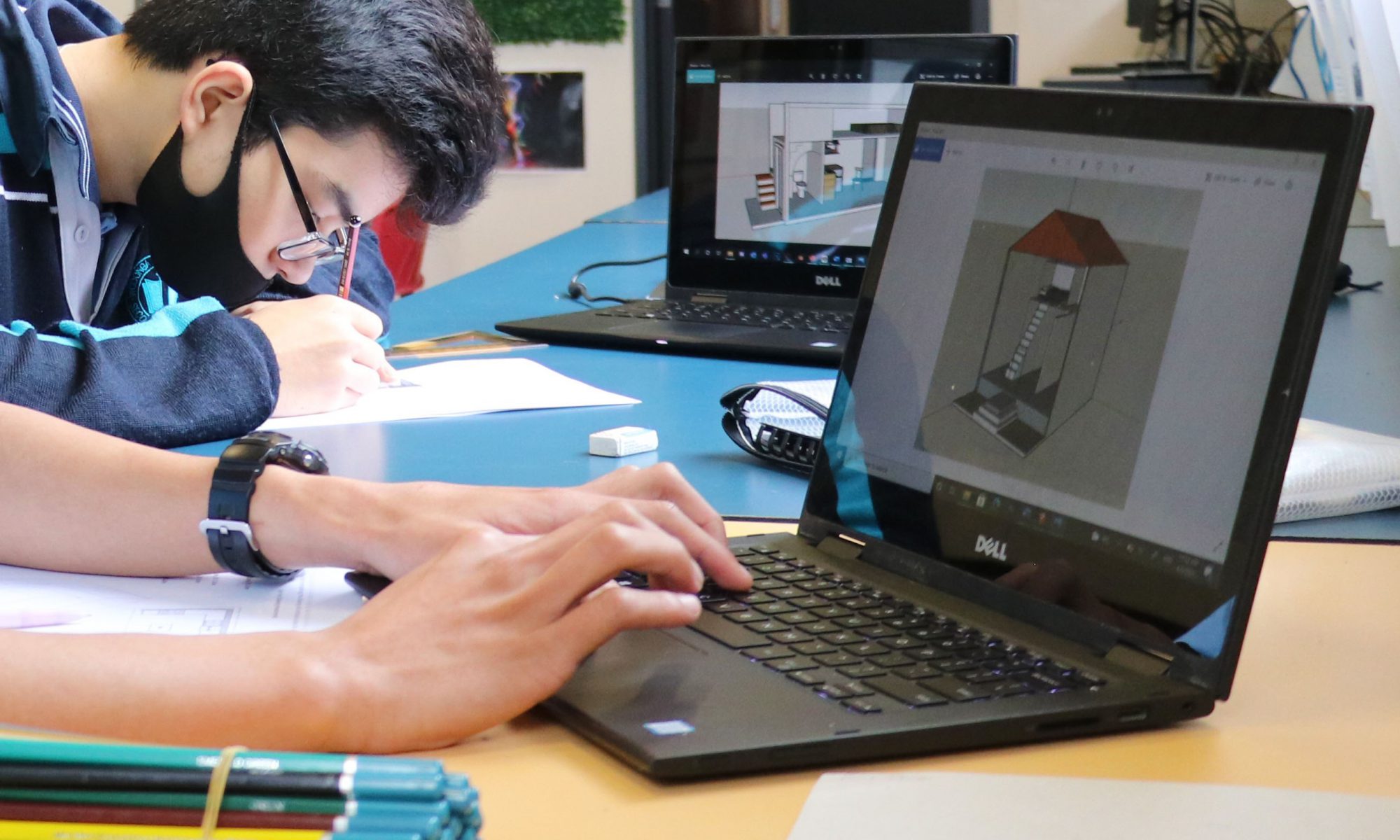
Are you interested in creating designs for a purpose? Are you creative and like to design places and images that engage an audience? By studying Visual Communication & Design you will engage in a range of activities to develop technical drawing skills (manual and digital), learn how to apply the design process and develop a sense of design aesthetics. You will use a range of drawing equipment and work with computer design programs like Photoshop, Illustrator and SketchUp. You will be equipped to study and analyse existing designers to understand how they attract and engage their audience.
VCE: Unit 1, Unit 2 and Unit 3 & 4 sequence available
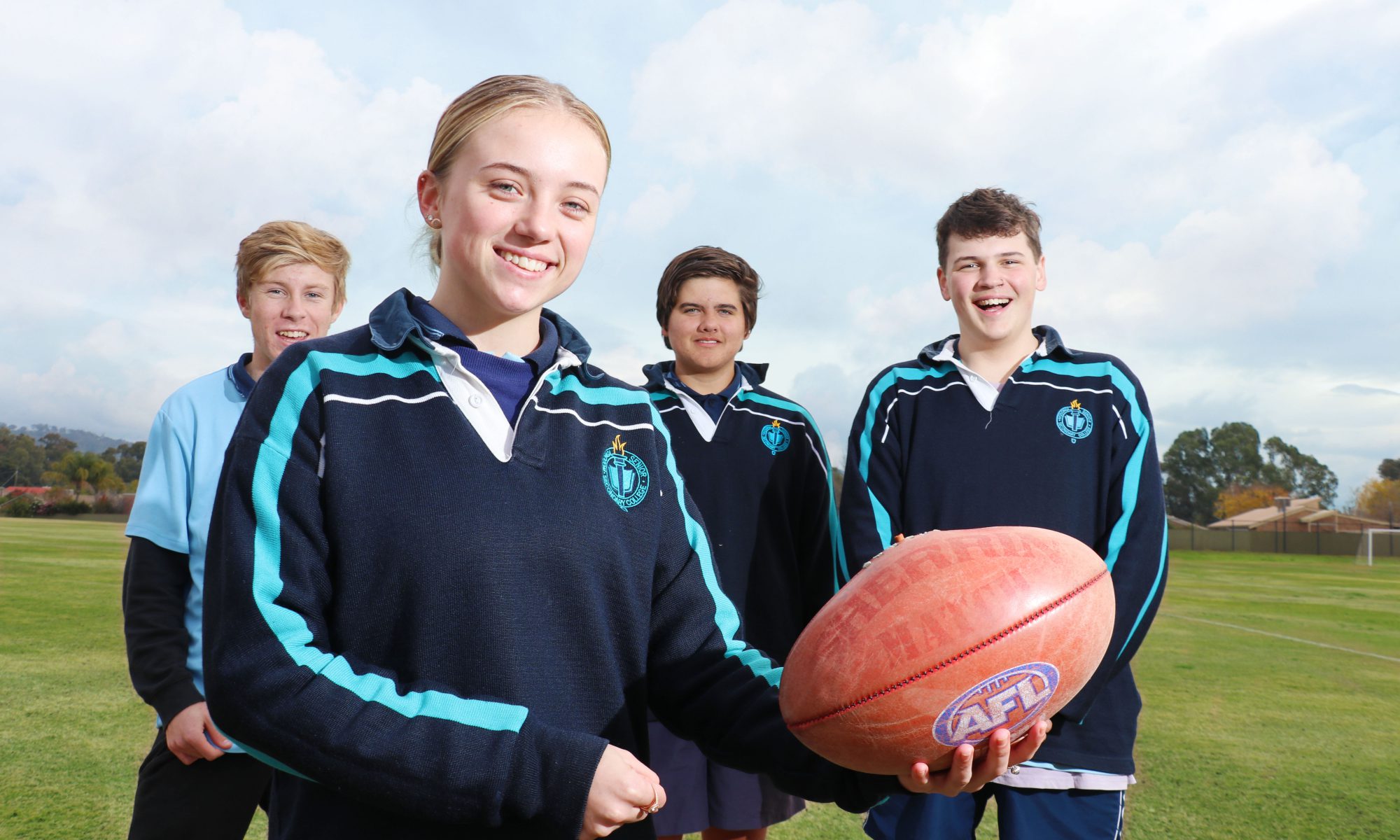
Are you interested in planning, organising and managing sport and fitness activities? Are you passionate about the sport and fitness industry? Studying Sport and Recreation will equip you with the skills and knowledge to start working in this industry. You will gain the skills you need to work with others. This VET course will be delivered through a mixture of theory and hands-on practice.
VCE: Unit 1, Unit 2 and Unit 3 & 4 sequence available
ATAR Contribution:Unit 3 & 4 students complete scored assessments and an exam to attain a Study Score that contributes to an ATAR
VET: Students will only receive a Statement of Attainment under SIS30122 – Certificate III in Sport, Aquatics and Recreation
Learning Activities & Assessment
Learn the skills required for officiating
Develop an understanding of drugs in sport
Undertake structured workplace learning in a relevant sporting industry
Conduct a sport and recreation session
Find out more about VET Sport & Recreation
https://www.youtube.com/watch?v=4_moX7JqGQk
Find out more about VET Sport & Recreation at WSSC
This program is run as part of an Auspicing arrangement with IVET INSTITUTE, a Registered Training Organisation. TIOD: 40548
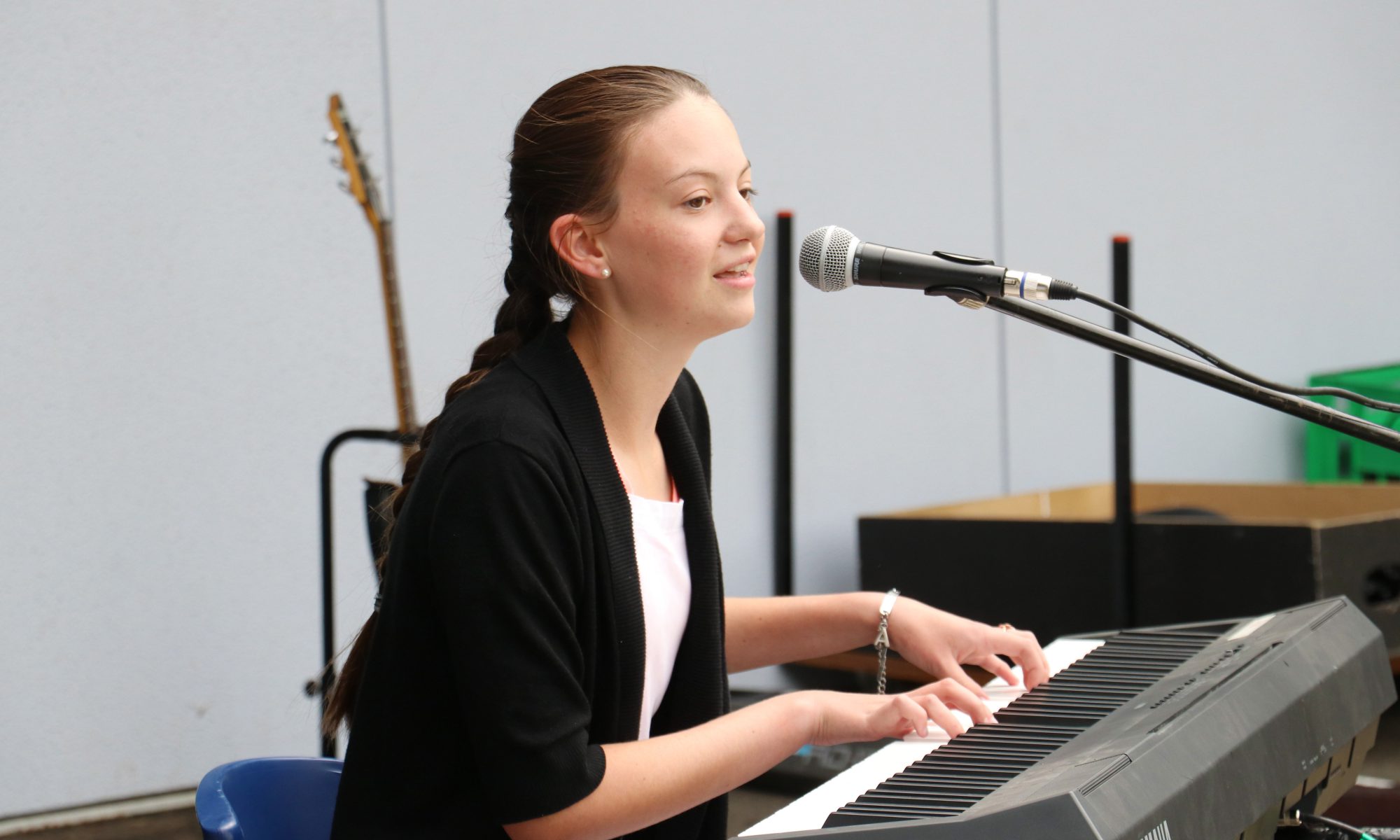
Students prepare and perform ensemble and/or solo works to develop technical control, expression and stylistic understanding on their chosen instrument/sound source. They create (arrange, compose or improvise) short music exercises that reflect their understanding of the organisation of music. Students develop knowledge of music language concepts as they analyse and respond to a range of music and focus on the way music can be used to create an intended effect.
VCE: Unit 1 & 2
Learning Activities & Assessment
Performances of at least two works, including at least one ensemble/group work
Complete a technical demonstration and discussion of challenges presented in works
Aural, oral, written and practical tasks
Composition and/or improvisation exercises and accompanying discussion
Prerequisites
There are no VCAA prerequisites for entry to Units 1, 2 and 3. However, the school prerequisites are as follows:
Evidence of instrumental music lessons, if a student has not studied music prior
Evidence of music experience in another school setting
Highly encouraged they take instrumental music classes whilst studying music
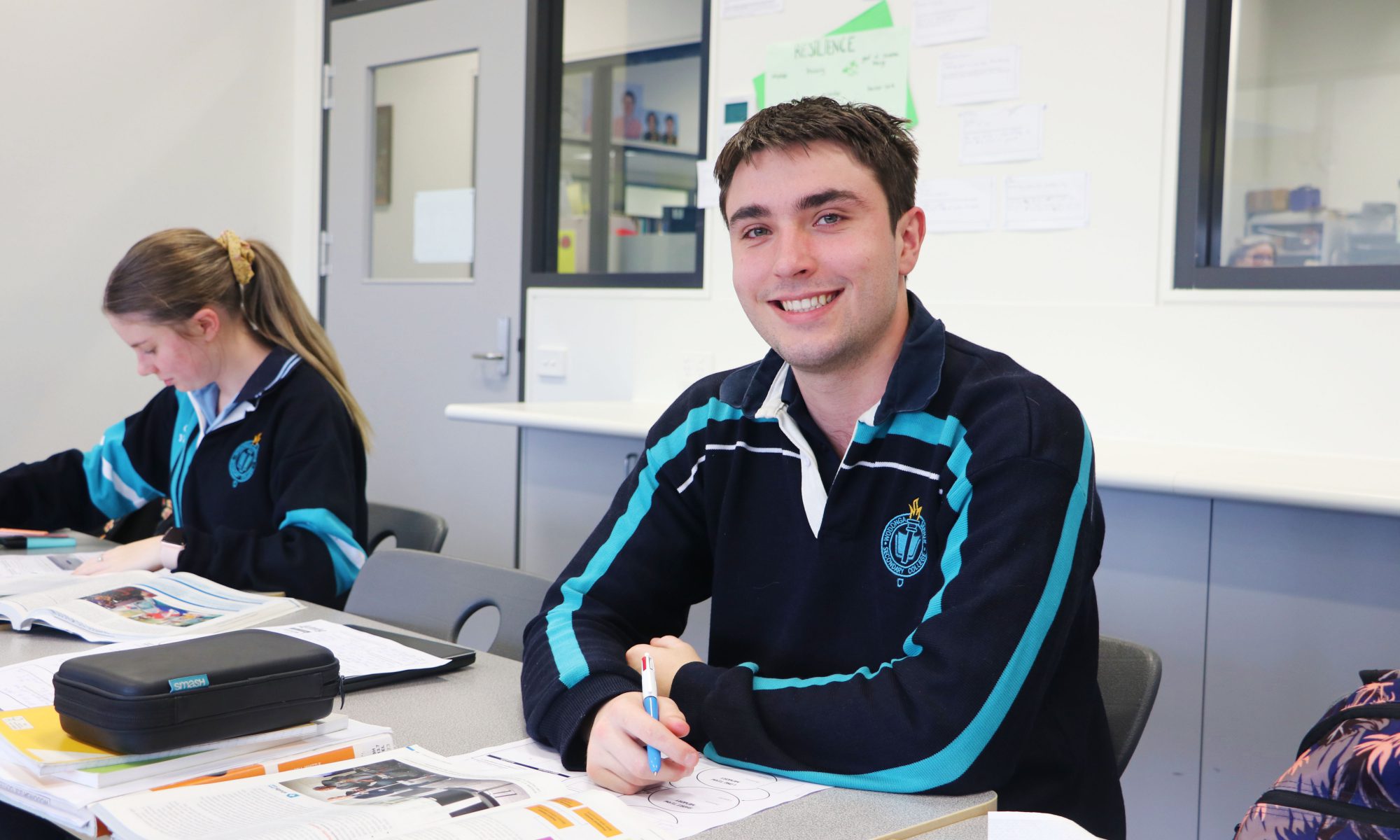
Are you an aspiring entrepreneur/business owner/leader? Studying business management is a good opportunity for you to learn the knowledge and skills to help you pursue this aspiration. Students will follow an idea for a business concept, to planning and establishing a business, through to the day-to-day management of a business. Using contemporary business case studies students will compare a range of management theories with management in practice. Students will have the opportunity to propose and evaluate alternative strategies for establishing and maintaining a business.
VCE: Unit 1, Unit 2 and Unit 3 & 4 sequence available
Learning Activities & Assessment
Investigate the planning stage of setting up a business
Learn how to establish a business
Examine how large businesses operate
Learn what makes a good manager and management styles
Explore change management strategies and how to ensure transformation and continued success of a business
VCE Literature provides opportunities for you to develop an awareness of other people, places and cultures and explore the way texts represent the complexity of human experience. This subject equips you with skills to examine the evolving and dialogic nature of texts, the changing contexts in which they were produced and notions of value. You’ll develop an understanding and appreciation of literature, and an ability to reflect critically on the aesthetic and intellectual aspects of texts. The study of Literature enables you to consider the power and complexity of language, the ways literary features and techniques contribute to meaning and the significance of form and structure.
VCE: Unit 1, Unit 2 and Unit 3 & 4 sequence available
Learning Activities & Assessment
Develop critical and creative responses and deepen your understanding of the meaning of texts by studying literacy elements such as narrative, the characters, the language and structure of the text
Explore the impact of culture as an influence on understanding and interpretation of the text
Complete frequent and detailed reading and writing
Reflect and develop individual interpretations
Explore adaptations and transformations, creative responses to texts, literary perspectives and close analysis
Do you like interacting with the natural environment? Are you adventurous? Studying Outdoor and Environmental Studies will enable you to make critically informed comments on questions of environmental sustainability, as well as, you’ll understand the importance of environmental health, particularly in local contexts. Through both passive and active outdoor activities, you will develop experiential knowledge of outdoor environments. This is further enhanced through the complex interplay between outdoor environment and humans including environmental history, ecology and the social studies of human relationships with nature.
Unit 1: Examines how humans connect with outdoor environments and why these connections are important. Throughout the unit we learn about our place within outdoor environments and learn safe and sustainable participation in outdoor experiences.
Unit 2: Focuses on the different ways to understand outdoor environments and the impact of humans on outdoor environments. We also learn about planning trips and learning about the weather and minimal impact strategies.
Unit 3: Focuses on the ecological, historical and social contexts of relationships between humans and outdoor environments in Australia. Including the changes over time, from historical time periods to modern day contexts.
Unit 4: Explores the sustainable use and management of outdoor environments. Observing and assessing the health of outdoor environments and considering the importance of this health for the future of Australian outdoor environments and the Australian population.
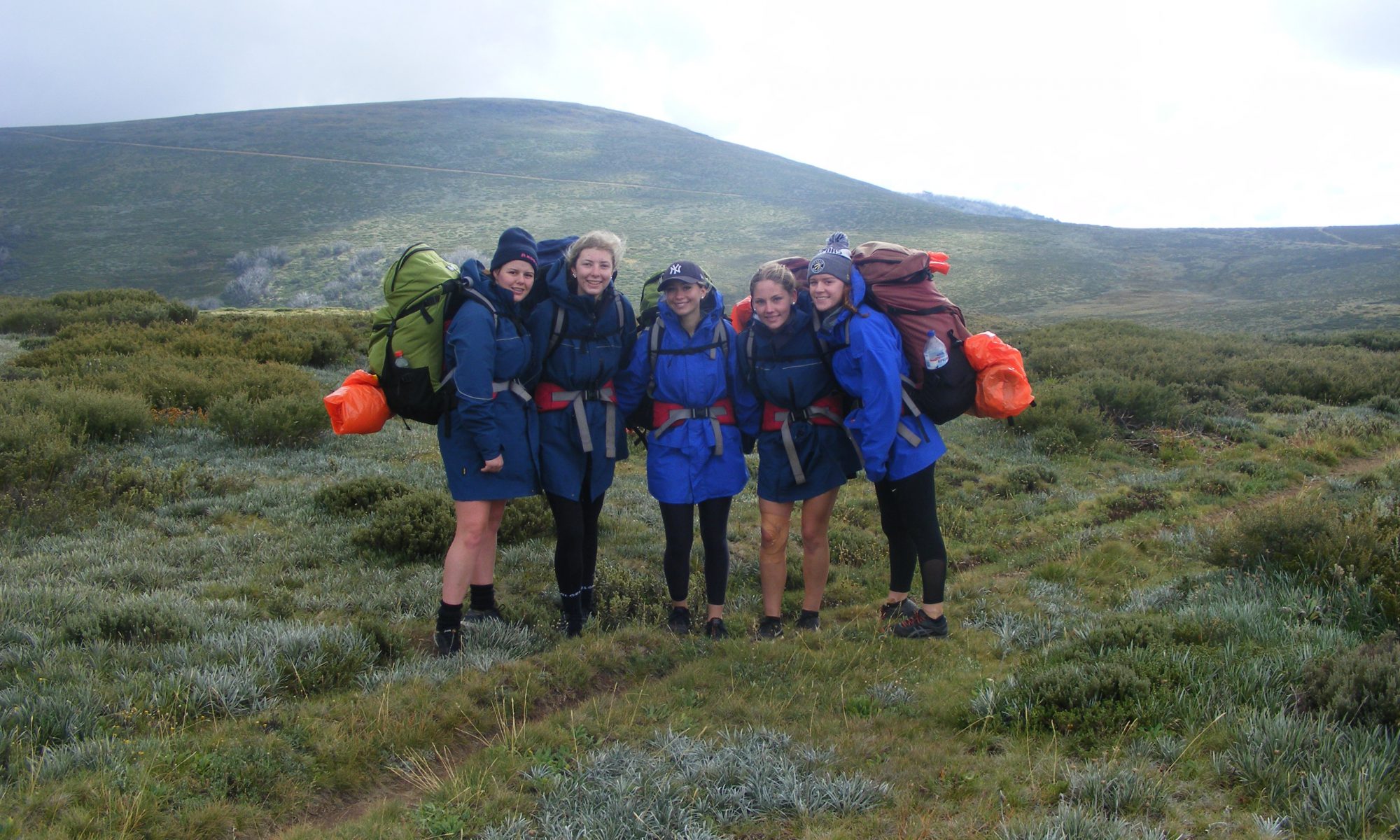
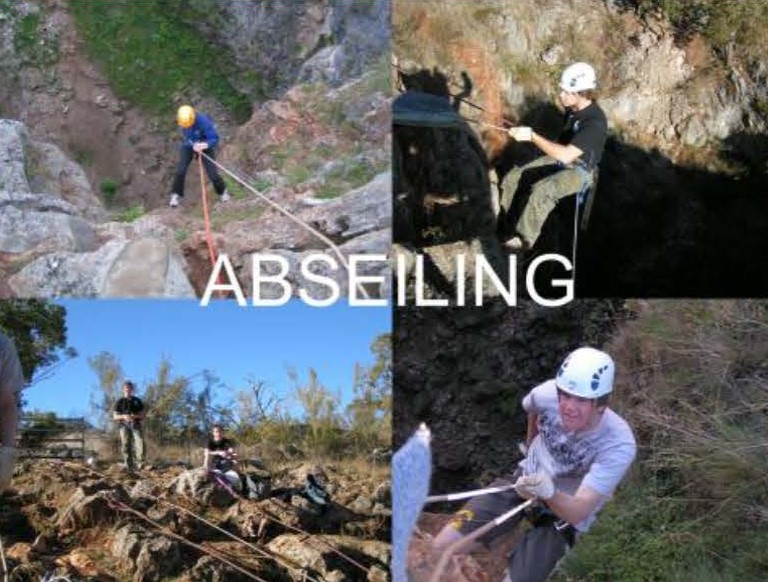
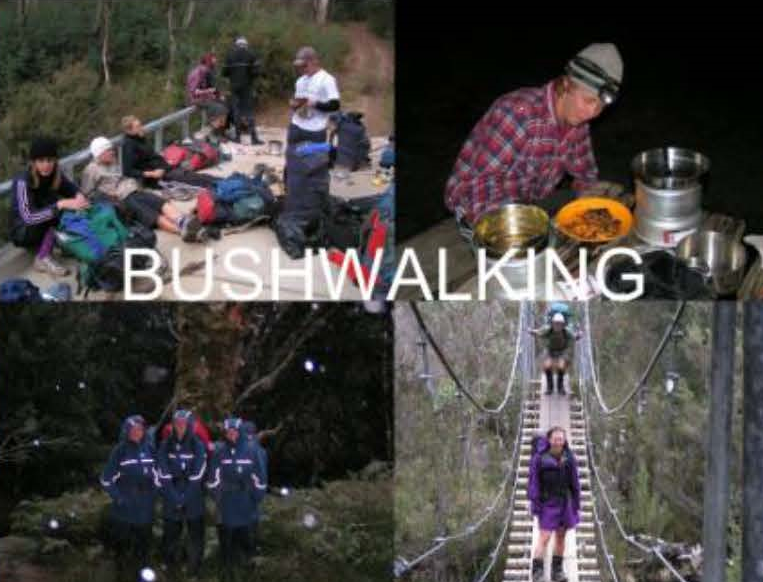
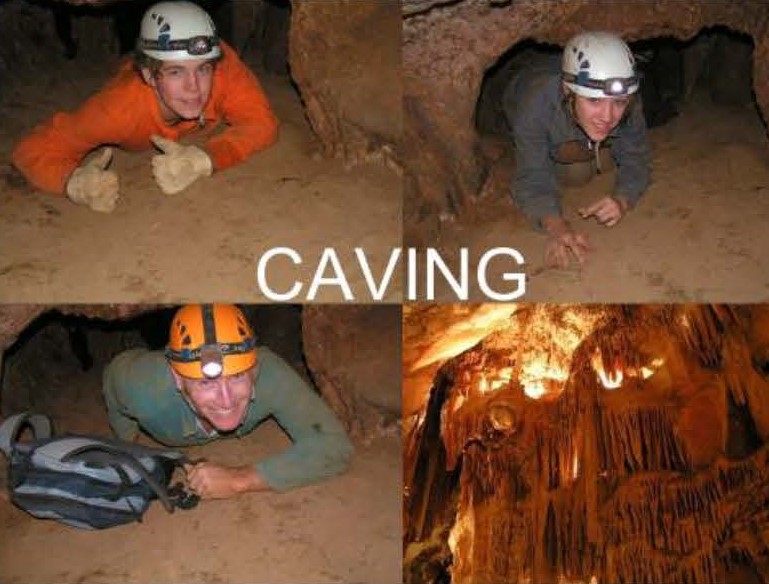
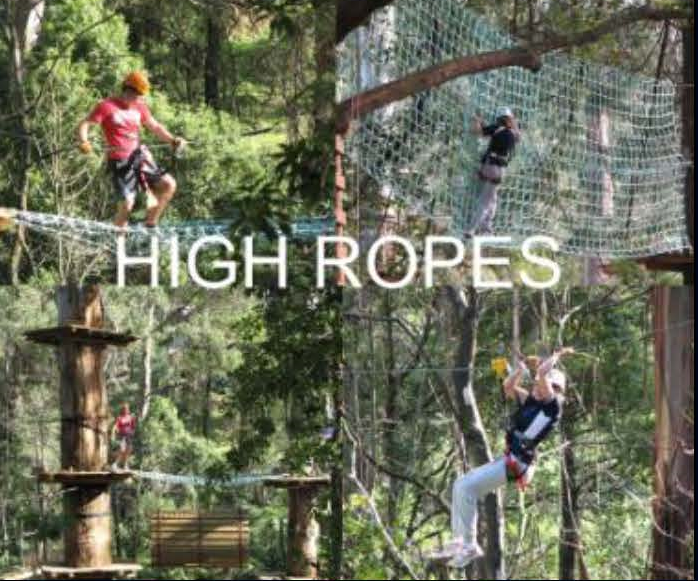
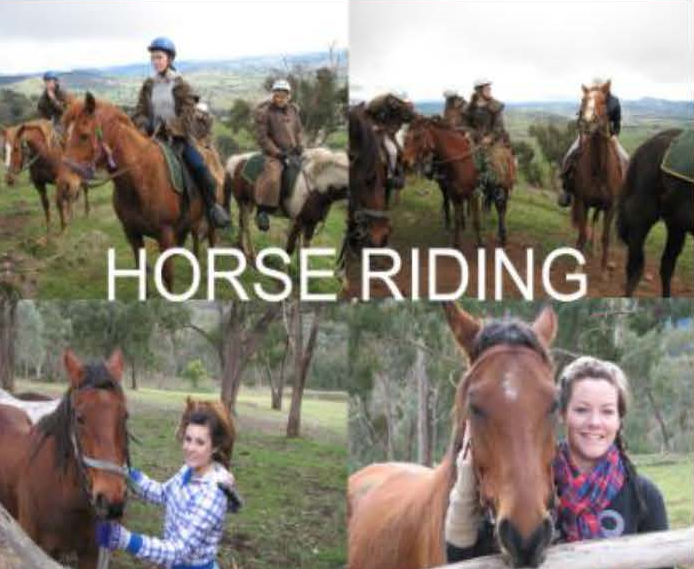
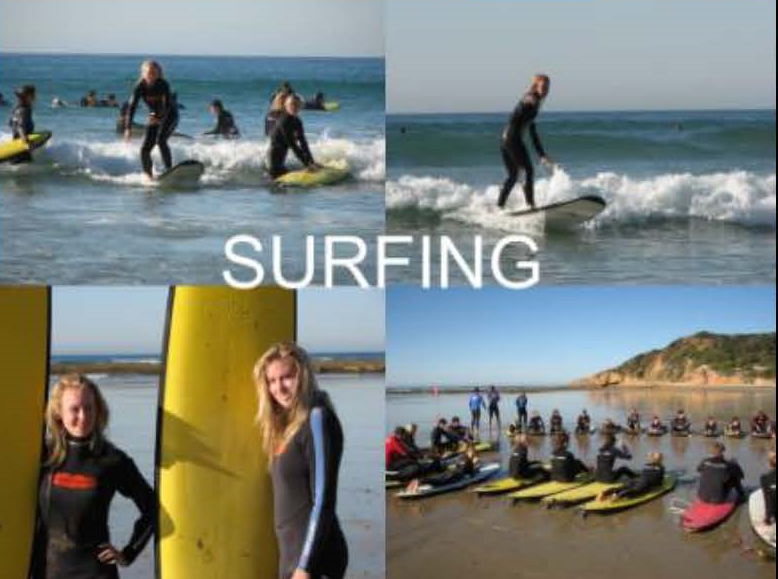
Students have the opportunity to attend one (3-4 day) outdoor trip / experience each term, which directly links to the Unit 1-4 coursework and requirements. These trips include kayaking, hiking, abseiling, caving, skiing, canoeing, surfing, canyoning, rock climbing and white water rafting.
VCE: Unit 1, Unit 2 and Unit 3 & 4 sequence available
Learning Activities & Assessment
Explore some of the ways in which people understand and relate to nature through experiences of the outdoor environment
Explore what motivates individuals towards outdoor environments and experiences, how people interact with the outdoor environment
Develop adventure skills in rock climbing, snow camping, skiing and boarding, bushwalking, horse riding or surfing including termly overnight/s outdoor activities
Investigate the ecological, historical and social effects of people on the Australian environment
Explore the sustainable use and management of outdoor environments
FAQ’s & Myth Busters
Will I miss too much school if I study Outdoor & Environmental Studies?
OED trips are only once a term for 3 to 4 days duration. In fact, the student who received the third highest ATAR score for 2019 did all the OED trips (as well as being involved in many of the sports teams).
Outdoor & Environmental Studies is too expensive
Whilst some trips do cost up to $300 there are always lower-cost options and payment plans available. Even the more expensive trips do offer excellent value for money. For example, the four-day surfing trip offered to Unit 2 students includes three surfing sessions, one surf kayak session, all gear and wetsuits, professional instruction, meals, accommodation and transport – all for approx. $300.
Do I need a lot of expensive gear to do outdoor & Environment Studies?
At the College, we have a large range of outdoor adventure gear that can be borrowed for adventure trips. You only have to have a good sleeping bag and we recommend that you buy thermals for the colder months’ activities.
Do you enjoy improvising and performing? Looking at a career as a performer? In VCE Drama you will focus on creating, presenting and analysing self-devised solo and ensemble performances. You will explore real or imagined characters based on stimulus material that reflects personal, cultural and/or community experiences and stories. You will analyse your own performance work and professional performances. You will explore a range of performance styles relevant to practices of story-telling, contemporary drama practice and the work of a variety of drama practitioners.
VCE: Unit 1, Unit 2 and Unit 3 & 4 sequence available
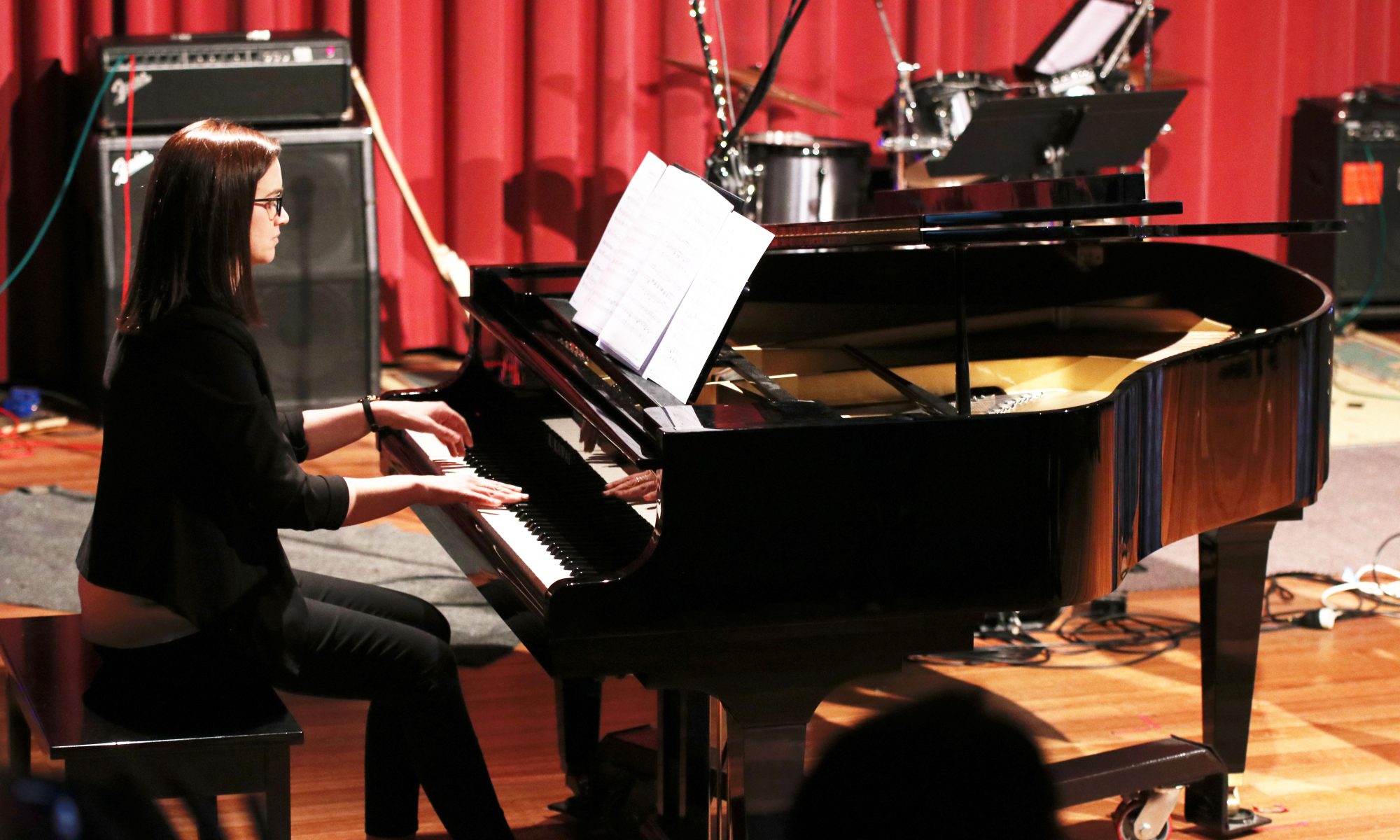
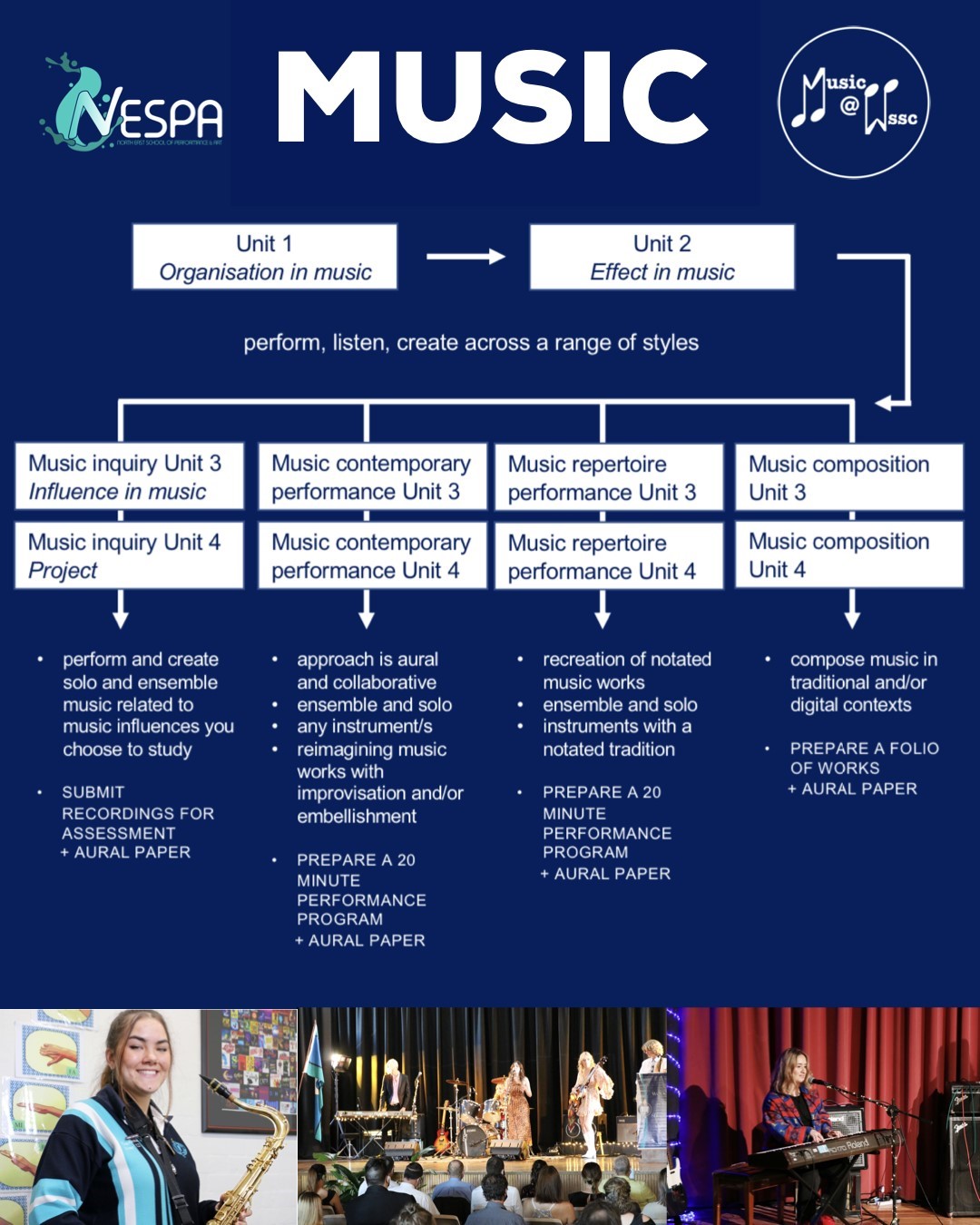
This study offers pathways for students whose main interest is a combination of performing, composing/arranging and investigating music through music making, analysing and responding in relation to their particular interests. Music making is a collective and integrated experience. It involves composing, arranging, interpreting, reimaging, improvising, recreating, performing and critiquing music in an informed manner. Students develop aural skills by responding to music from a range of sources across time and place. They analyse music works and/or styles and develop an understanding of how the treatment of music elements, concepts and compositional devices in one work and/or style can be identified and explained in the works of others.
VCE: Unit 3 & 4 sequence available
Learning Activities & Assessment
Perform a work in the style of a selected work/creator and explain how the performance relates to the selected music style and/or creator
Create and/or arrange music and demonstrate the connection to the selected music style and/or creator
Analyse and describe the treatment of music elements, concepts and compositional devices in two works
Listen and respond to selected music excerpts from a range of styles
Externally-assessed Task (EAT) – Submit a folio that contains documentation, video recording of a performance and an audio and/or video recording of a composition/arrangement
Students prepare a program for assessment in a live performance. They may be assessed as primarily a member of a group or as a solo performer. All performances must include at least one ensemble work with another live musician and an original work created by an Australian artist since 1990. All performances must include a personally reimagined version of an existing work. Original works may also be included in the program. Students identify technical, expressive and stylistic challenges relevant to works they are preparing for performance. They listen and respond to a wide range of music by a variety of performers in contemporary styles. They also study music language concepts such as sales, harmony and rhythmic materials that relate to contemporary music. Styles including (but not limited to) rock, pop, jazz, EDM, country, funk and R&B.
VCE: Unit 3 & 4 sequence available
Learning Activities & Assessment
Perform a selection of works being prepared for the performance examination, demonstrating an understanding of music style, authentic performance conventions and a range of techniques
Demonstrate and discuss performance development techniques and reimagining approaches relevant to the performances of selected works
Discuss a performer’s interpretation and manipulation of music elements and concepts in works
Identify, recreate and notate music language concepts
End of year performance examination-End of year written examination